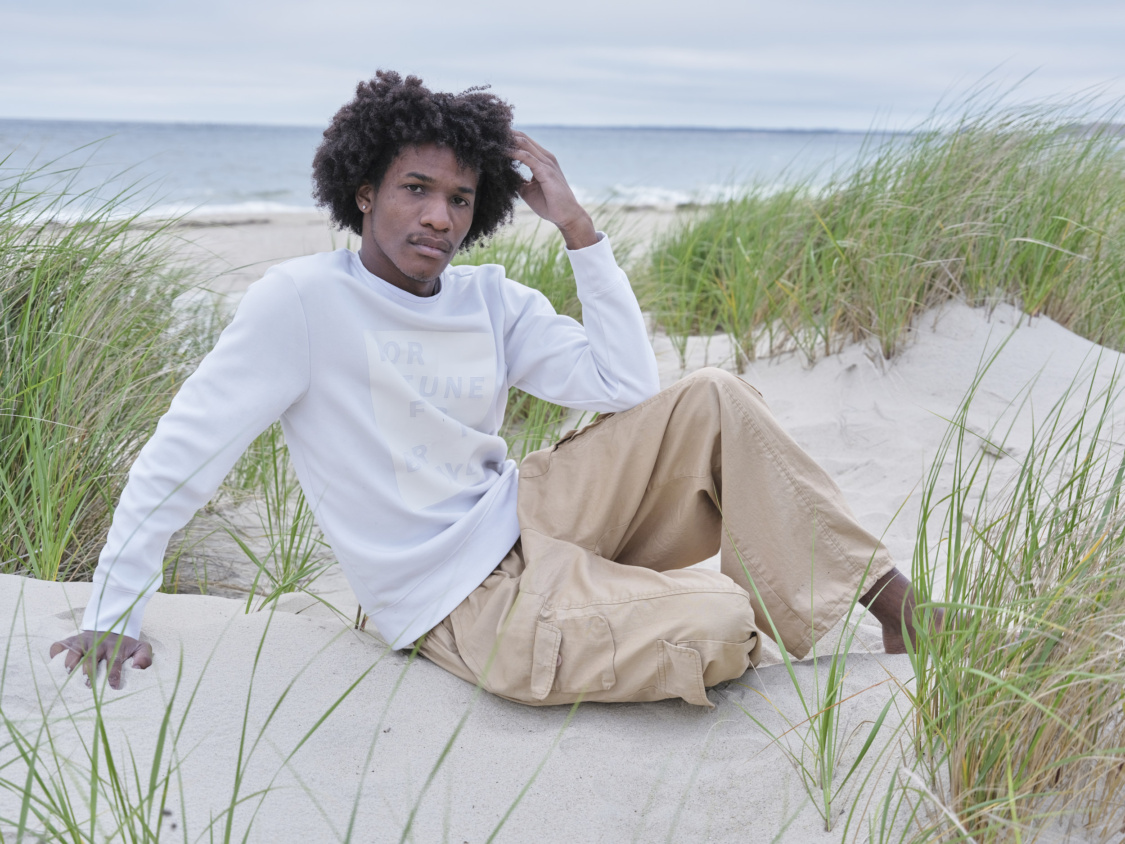
What kind of work do you do?
I work in tech. I’m a data scientist for a life insurance market-place company. So nothing too crazy, but I like it a lot.
Are you comfortable thinking about life in the abstract?
Part of maybe my journey with faith and how I relate to religion also comes from the fact that I want to know empirical truth and that I want facts and I need clear logical reasonings. But also as a data scientist, you’re constantly trying to make decisions, acknowledging everything you don’t know, and you can only make decisions off of what you do know. Um, and I think that has also maybe like shaped how I go about faith and what I feel like I know and what I feel like I don’t know.
How do you sit with that sense of not knowing?
For the first like 24, 25 years of my life, like being a Christian was just so central to my identity and how I view myself. And now that so many of my beliefs have shifted away from more traditional or more mainstream Christianity, I was like, do I still call myself a Christian? Like when I moved to New York, I wanted to do the whole progressive Christian thing, but still felt like… how they talk about God I don’t always resonate with.
But I haven’t felt the need to identify as an atheist or as an agnostic. And I don’t really know why. Maybe that feels, maybe the part of me that’s been conditioned over the decades to feel like an aversion to labelling myself as something contrary. It might feel more comfortable for me to say that I’m in like a middle space rather than a space that is seen as contrary.
How would you describe the spiritual background of your childhood?
So my parents are both Indian and they grew up in Kerala as Christians. And there’s a longer history of Christianity within Kerala. The biggest proportion of Christians in India are is within Kerala.
My parents moved to Japan before they had me and my sister. My sister and I grew up as Christian. We went to a Christian (international) school. And we went to church at the school as well. So it was all kind of intermingled. Our Malayali community, our community of people from Kerala, were Christian and Hindu. I can’t remember if there were any Muslim families. It was interesting. Most of my expression of Indian culture was not Christian.
It was based on like Hindu festivals and growing up, I never like thought twice about that and never felt like it was dissonant. It was only when I came to America and met like white American Christians that were like, ‚oh, you shouldn’t do that, that’s not Christian‘, that I was like, ‚what?‘ It’s just what we do as Indians. It’s not that deep. So yeah, pretty Christian upbringing, but also what I’m realising, somewhat religiously pluralistic, whether or not my parents was intentionally trying to do that.
And then my school itself was interesting because it was like an American Christian school, so our curriculum was predominantly shaped by white American Christianity. But the student population, especially.
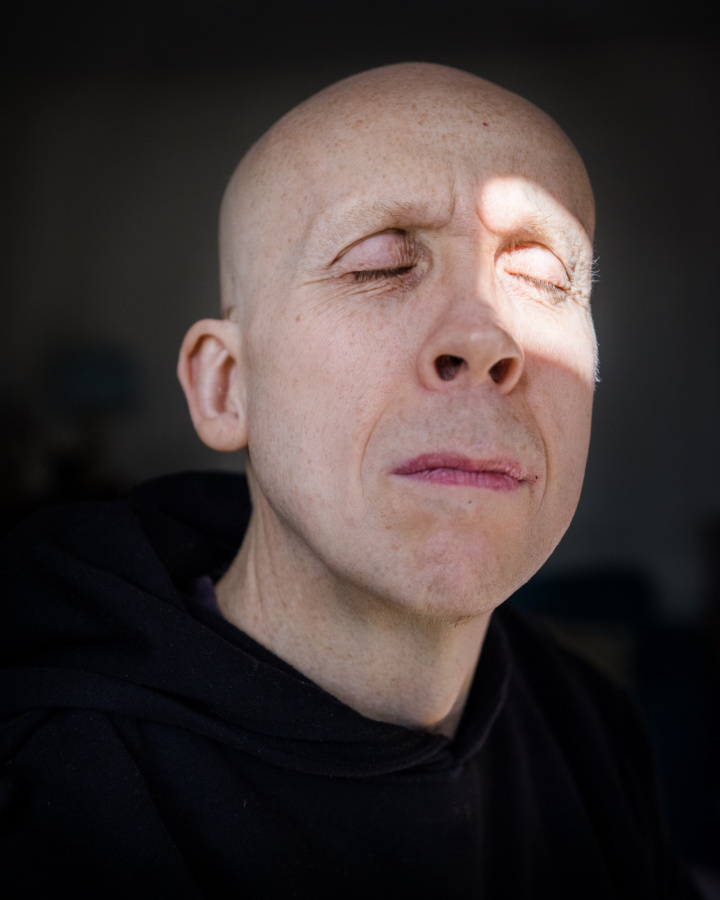
And then you came to the US. You mentioned that you got swept up in the world of charismatic evangelical American Christianity. What was that like for you?
I was involved in a church in Atlanta as part of college, and that church was called Grace Midtown. It was so white. I was one of a handful of people of colour there. They were very charismatic, in the sense of leaning a lot on worship, music and spontaneity. The energy was very palpable. What compelled me so much in that environment was this idea of a very personal God. They really emphasised this individual relationship and brought out that emotional dimension, which wasn’t super present necessarily in my church growing up.
I was a house church leader and one of the few people of colour in a majority white, pretty apolitical environment. Once I graduated college and realised how some people landed politically, I was like, wow, I cannot believe I was making my way through that environment. But at the time I felt like I needed that community just as much as I needed my non-Christian friends at college. I was like, if I only hang out with my church friends, I’m missing out on like my Indian identity or whatever else. And then when I’m hanging out with my friends who are not Christian they’re not necessarily, you know, getting me spiritually.
Then I moved to Austin, Texas for my first job and it was a case of like, ‘what you don’t know until it happens’. So I started going to a church that a friend recommended and it was slightly more diverse initially than my church in Atlanta. So I was like, great, there’s people of colour. I made a couple of friends, real friendships. But I knew from the beginning that I wasn’t fully on board with the church because they didn’t allow women to preach.
My previous church in Atlanta had less of a fundamentalist approach to things, but they were so not diverse. And then I come to this church that’s a little bit more diverse, but more Southern Baptist influenced. That was October of 2019. And then March, 2020 is when pandemic hit.
I was with people in Texas who like, were defending why we should still meet together in the middle of a pandemic using Bible verses. And I was with people that like, you know, loved the fact that they were in the diverse community group, but then were posting like pro-Trump or pro-police type stuff. I began to realise more and more how racist the environment was, even though it had leadership that was people of colour. Over time, you could really tell that they just only valued whiteness in that environment. It just came out in so many different ways. And then also how sexist it was. It starts with women not preaching but then the misogyny became really evident as I spent more time in that environment.
Then in the summer of 2019 I experienced going to a Pride parade for the first time, which was one of the really big turning points for me while I was in that environment. By this point I have a couple of queer friends but I didn’t feel the urgency to try to reconcile my theology with being queer-affirming. But this Pride event, it was just such a positive, loving, joyous event. I was like, it just doesn’t make sense for it to be called sin, or whatever. You can feel how loving and free it is. Then in October, 2020, so this is like middle of pandemic, I find out about this book on TikTok called God and the Gay Christian, which introduced me to queer affirming theology or how to be queer affirming as a Christian. Then I find out that everybody wants to talk about it but no one’s talking about it because they’re too scared or their environment doesn’t allow for conversations like that.
So I set up a book club to discuss it. It was so great. A couple of friends came out after that book club. For another friend that was the beginning of deconstructing her faith. A couple of other people told me that was the initial point for them becoming queer-affirming Christians. But others stopped coming to our community group and I was asked to stop by the church leadership.
From there, I’m connecting things and asking myself, ‚Okay, if I’m queer affirming, what does this mean about sex and sex before marriage? What does this mean about marriage?‘ It was just one thing after the other. That’s how fundamentalist Christianity works, right? It only works because there’s this super, super rigid worldview and the moment that you start to unravel one thread, eventually it unravels everything.
My parents moved to Japan before they had me and my sister. My sister and I grew up as Christian. We went to a Christian (international) school. And we went to church at the school as well. So it was all kind of intermingled. Our Malayali community, our community of people from Kerala, were Christian and Hindu. I can’t remember if there were any Muslim families. It was interesting. Most of my expression of Indian culture was not Christian.
It was based on like Hindu festivals and growing up, I never like thought twice about that and never felt like it was dissonant. It was only when I came to America and met like white American Christians that were like, ‚oh, you shouldn’t do that, that’s not Christian‘, that I was like, ‚what?‘ It’s just what we do as Indians. It’s not that deep. So yeah, pretty Christian upbringing, but also what I’m realising, somewhat religiously pluralistic, whether or not my parents was intentionally trying to do that.
The following summer I spent a month in New York and met my current boyfriend, who is Hindu, and that set off a whole other thread of being an interfaith relationship and people being against that, like my family and what that means. What is heaven and hell? What is salvation? What does that mean for dating and marriage? And oh, if I don’t believe in a heaven or hell anymore? What is Christian, what is not Christian? And then I moved to New York.
It’s just been continual processing of everything that happened in Austin and continually interrogating what I believe or what I don’t know if I believe and what consequence does that have and who does it impact.
It was only towards the end of last year that I really felt like, whoa, I’ve kind of landed in a more stable place. And that’s not to say that I’m fixed and everything. I’m 27, I’m young, I could have like life experiences that change me profoundly and maybe I start believing in God again. I don’t know. I don’t think I would have ever predicted that I would have been here right now. And in the same way, I can’t really predict how I will change again in the future. But at least now I feel like I have a more honest and humble and integrated outlook on things. Maybe part of what it means to have a kind of maturity is also acknowledging that it could change in the future.
Thank you for sharing that with me. What stands out for me is the way your exploring has been tied to relationships that you’ve been in. Whether that be your queer friends or your partner or with your community leader at the church. That leads me to a question: Where do you sit on the question of belief in something as having a value in and of itself, independent of the truth of the thing that’s believed, versus the need to decide that something is truthful or not?
I think when I was first deconstructing my faith, I was approaching things very much in like, I need to know what’s true and let me like, have the truest outlook on everything.
And that’s also a certain type of fundamentalism in a certain way, just in a different direction. As I’ve spent time in progressive churches and still felt like, oh, I don’t resonate with how they talk about God and maybe how some people approach prayer or whatever, I had to really think about, okay, I have friends who have had really similar experiences to me or even been in the same environments as me, but we’ve landed in slightly different places. I maybe don’t believe in God as this individual entity that is making decisions about humanity, whereas some of my friends who are queer affirming and who are more progressive than other Christians still kind of think and talk about God in that way.
So much of all of this is subjective. Like the questions that linger for me might not be lingering for someone else, and there’s not this like reason as to why, you know? Like, for whatever reason, there was some things that bothered me that maybe didn’t bother my friend. Now I try not only to think about what I think is true or not, but like, what is the impact of that belief. That helps me keep my understanding to my friends who might still think differently from me or approach things differently.
I’ve landed on things because I’ve assessed the negative impacts of my previous beliefs, but people’s faith journeys are not just like things that can be studied and like people can arrive to the same conclusion on. And I just have to sit with that. I have a specific outlook on prayer and I do not ask an individual entity type God for things anymore, but some of my friends still do and I don’t necessarily think anymore that I could convince them out of that, even though I could explain to them, like, these are XYZ reasons why that may be negatively impacting your life.
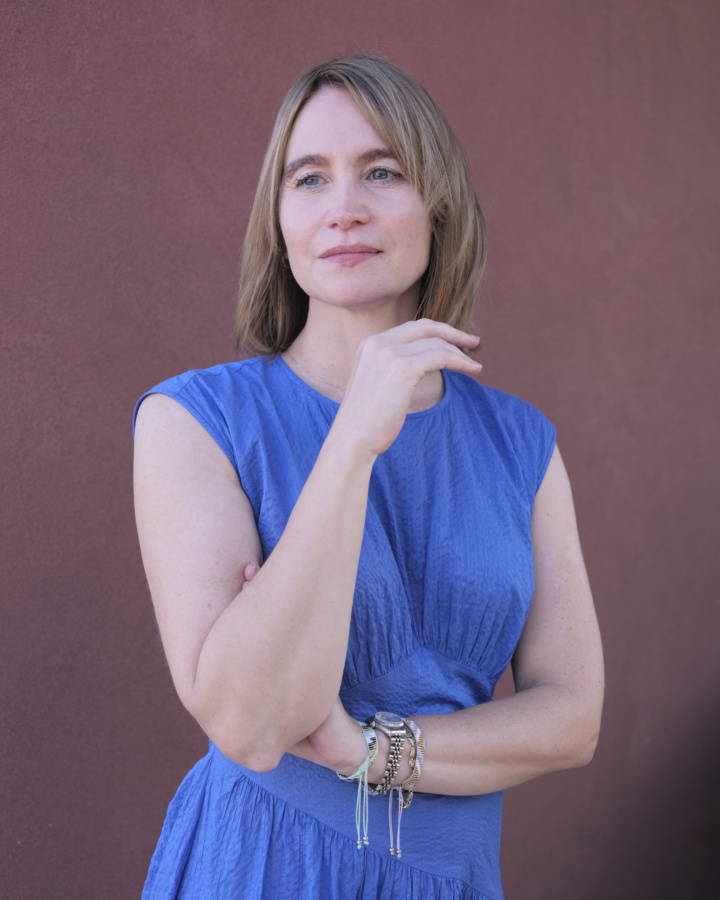
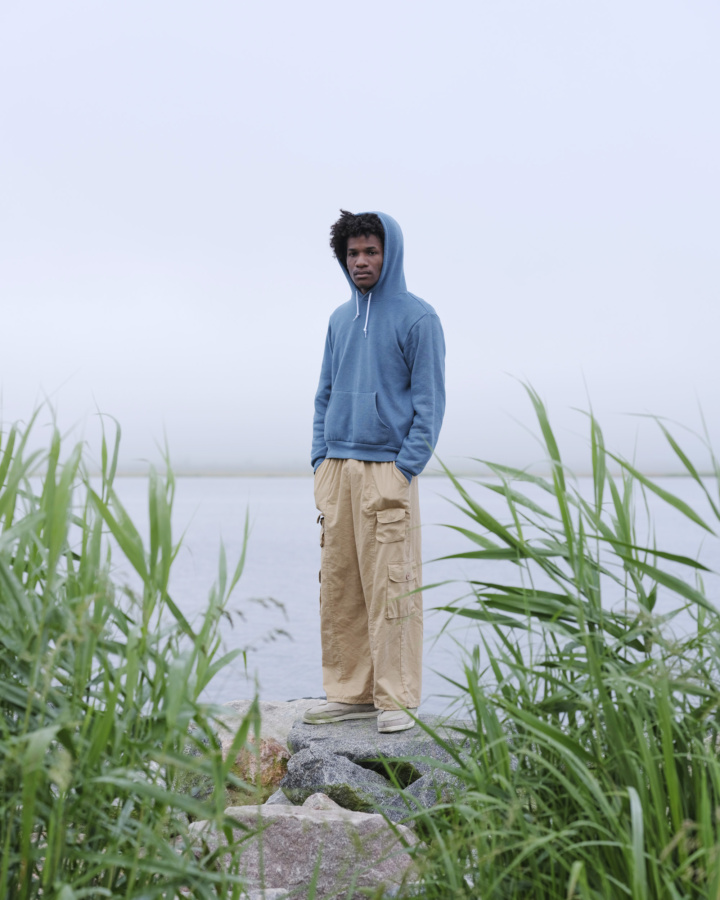
And then you came to the US. You mentioned that you got swept up in the world of charismatic evangelical American Christianity. What was that like for you?
I was involved in a church in Atlanta as part of college, and that church was called Grace Midtown. It was so white. I was one of a handful of people of colour there. They were very charismatic, in the sense of leaning a lot on worship, music and spontaneity. The energy was very palpable. What compelled me so much in that environment was this idea of a very personal God. They really emphasised this individual relationship and brought out that emotional dimension, which wasn’t super present necessarily in my church growing up.
I was a house church leader and one of the few people of colour in a majority white, pretty apolitical environment. Once I graduated college and realised how some people landed politically, I was like, wow, I cannot believe I was making my way through that environment. But at the time I felt like I needed that community just as much as I needed my non-Christian friends at college. I was like, if I only hang out with my church friends, I’m missing out on like my Indian identity or whatever else. And then when I’m hanging out with my friends who are not Christian they’re not necessarily, you know, getting me spiritually.
Then I moved to Austin, Texas for my first job and it was a case of like, ‘what you don’t know until it happens’. So I started going to a church that a friend recommended and it was slightly more diverse initially than my church in Atlanta. So I was like, great, there’s people of colour. I made a couple of friends, real friendships. But I knew from the beginning that I wasn’t fully on board with the church because they didn’t allow women to preach.
My previous church in Atlanta had less of a fundamentalist approach to things, but they were so not diverse. And then I come to this church that’s a little bit more diverse, but more Southern Baptist influenced. That was October of 2019. And then March, 2020 is when pandemic hit.
I was with people in Texas who like, were defending why we should still meet together in the middle of a pandemic using Bible verses. And I was with people that like, you know, loved the fact that they were in the diverse community group, but then were posting like pro-Trump or pro-police type stuff. I began to realise more and more how racist the environment was, even though it had leadership that was people of colour. Over time, you could really tell that they just only valued whiteness in that environment. It just came out in so many different ways. And then also how sexist it was. It starts with women not preaching but then the misogyny became really evident as I spent more time in that environment.
Then in the summer of 2019 I experienced going to a Pride parade for the first time, which was one of the really big turning points for me while I was in that environment. By this point I have a couple of queer friends but I didn’t feel the urgency to try to reconcile my theology with being queer-affirming. But this Pride event, it was just such a positive, loving, joyous event. I was like, it just doesn’t make sense for it to be called sin, or whatever. You can feel how loving and free it is. Then in October, 2020, so this is like middle of pandemic, I find out about this book on TikTok called God and the Gay Christian, which introduced me to queer affirming theology or how to be queer affirming as a Christian. Then I find out that everybody wants to talk about it but no one’s talking about it because they’re too scared or their environment doesn’t allow for conversations like that.
So I set up a book club to discuss it. It was so great. A couple of friends came out after that book club. For another friend that was the beginning of deconstructing her faith. A couple of other people told me that was the initial point for them becoming queer-affirming Christians. But others stopped coming to our community group and I was asked to stop by the church leadership.
From there, I’m connecting things and asking myself, ‚Okay, if I’m queer affirming, what does this mean about sex and sex before marriage? What does this mean about marriage?‘ It was just one thing after the other. That’s how fundamentalist Christianity works, right? It only works because there’s this super, super rigid worldview and the moment that you start to unravel one thread, eventually it unravels everything.
My parents moved to Japan before they had me and my sister. My sister and I grew up as Christian. We went to a Christian (international) school. And we went to church at the school as well. So it was all kind of intermingled. Our Malayali community, our community of people from Kerala, were Christian and Hindu. I can’t remember if there were any Muslim families. It was interesting. Most of my expression of Indian culture was not Christian.
It was based on like Hindu festivals and growing up, I never like thought twice about that and never felt like it was dissonant. It was only when I came to America and met like white American Christians that were like, ‚oh, you shouldn’t do that, that’s not Christian‘, that I was like, ‚what?‘ It’s just what we do as Indians. It’s not that deep. So yeah, pretty Christian upbringing, but also what I’m realising, somewhat religiously pluralistic, whether or not my parents was intentionally trying to do that.
The following summer I spent a month in New York and met my current boyfriend, who is Hindu, and that set off a whole other thread of being an interfaith relationship and people being against that, like my family and what that means. What is heaven and hell? What is salvation? What does that mean for dating and marriage? And oh, if I don’t believe in a heaven or hell anymore? What is Christian, what is not Christian? And then I moved to New York.
It’s just been continual processing of everything that happened in Austin and continually interrogating what I believe or what I don’t know if I believe and what consequence does that have and who does it impact.
It was only towards the end of last year that I really felt like, whoa, I’ve kind of landed in a more stable place. And that’s not to say that I’m fixed and everything. I’m 27, I’m young, I could have like life experiences that change me profoundly and maybe I start believing in God again. I don’t know. I don’t think I would have ever predicted that I would have been here right now. And in the same way, I can’t really predict how I will change again in the future. But at least now I feel like I have a more honest and humble and integrated outlook on things. Maybe part of what it means to have a kind of maturity is also acknowledging that it could change in the future.
Thank you for sharing that with me. What stands out for me is the way your exploring has been tied to relationships that you’ve been in. Whether that be your queer friends or your partner or with your community leader at the church. That leads me to a question: Where do you sit on the question of belief in something as having a value in and of itself, independent of the truth of the thing that’s believed, versus the need to decide that something is truthful or not?
I think when I was first deconstructing my faith, I was approaching things very much in like, I need to know what’s true and let me like, have the truest outlook on everything.
And that’s also a certain type of fundamentalism in a certain way, just in a different direction. As I’ve spent time in progressive churches and still felt like, oh, I don’t resonate with how they talk about God and maybe how some people approach prayer or whatever, I had to really think about, okay, I have friends who have had really similar experiences to me or even been in the same environments as me, but we’ve landed in slightly different places. I maybe don’t believe in God as this individual entity that is making decisions about humanity, whereas some of my friends who are queer affirming and who are more progressive than other Christians still kind of think and talk about God in that way.
So much of all of this is subjective. Like the questions that linger for me might not be lingering for someone else, and there’s not this like reason as to why, you know? Like, for whatever reason, there was some things that bothered me that maybe didn’t bother my friend. Now I try not only to think about what I think is true or not, but like, what is the impact of that belief. That helps me keep my understanding to my friends who might still think differently from me or approach things differently.
I’ve landed on things because I’ve assessed the negative impacts of my previous beliefs, but people’s faith journeys are not just like things that can be studied and like people can arrive to the same conclusion on. And I just have to sit with that. I have a specific outlook on prayer and I do not ask an individual entity type God for things anymore, but some of my friends still do and I don’t necessarily think anymore that I could convince them out of that, even though I could explain to them, like, these are XYZ reasons why that may be negatively impacting your life.